
Unknown Meanings Behind Grave Marker Symbols
 Jill Darby
As a child, I regularly accompanied my mother to the cemetery, where she tended to my grandfather’s grave. Regardless of the season, she made sure his resting place was adorned with fresh flowers in the warmer months and seasonal decorations in the colder ones.
During our visits, I’d wander the grounds, reading the inscriptions and admiring the various emblems on the grave memorials. One marker has stayed with me through the years—a stately limestone headstone with a slightly eerie, empty rocking chair.
Oddly enough, this image reminded me of my grandfather’s favorite chair, which was anything but eerie. It was where he’d sit and lovingly admire my grandmother across the room. I distinctly recall feeling sad, imagining how difficult it must have been for my grandmother to see his chair now empty.
Reflecting on this, I’m curious if you have ever been intrigued by an unexpected image on a gravestone and its meaning. If so, you’ve come across the perfect blog, as we’ll be uncovering some of the lesser-known meanings behind grave marker symbols.
Scallop Seashells
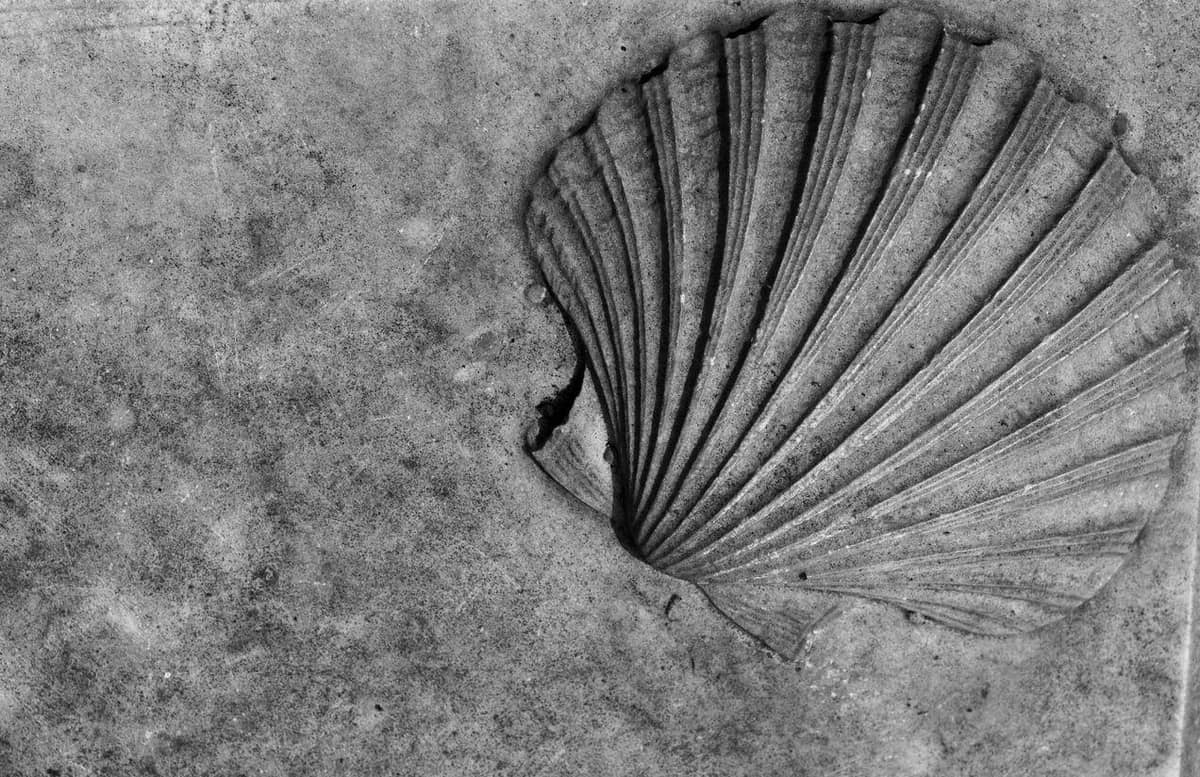
One might assume that scallop seashells on a marker denote that the departed had a love for the ocean or enjoyed collecting seashells.
While that can be the case, scallop shells also hold spiritual significance. They are a symbol of pilgrimage, often associated with St. James, an early Christian apostle who is said to have traveled extensively to spread the teachings of Jesus.
According to tradition, St. James’ remains were buried in Santiago de Compostela, Spain, turning the location into a prominent religious site. Those who journeyed to Santiago would wear scallop shells to signify they were on a divine quest.
Cricket

Known for their patience, crickets live much of their lives in quiet observation, only making themselves known through their characteristic chirps at dusk.
A cricket displayed on a grave marker represents the beauty of a life lived in tranquility, finding joy in the simple pleasures of everyday existence.
In several cultures, crickets have long been regarded as signs of good fortune, their song is believed to bring peace and protection to their home and community.
A Finger Pointing to the Sky
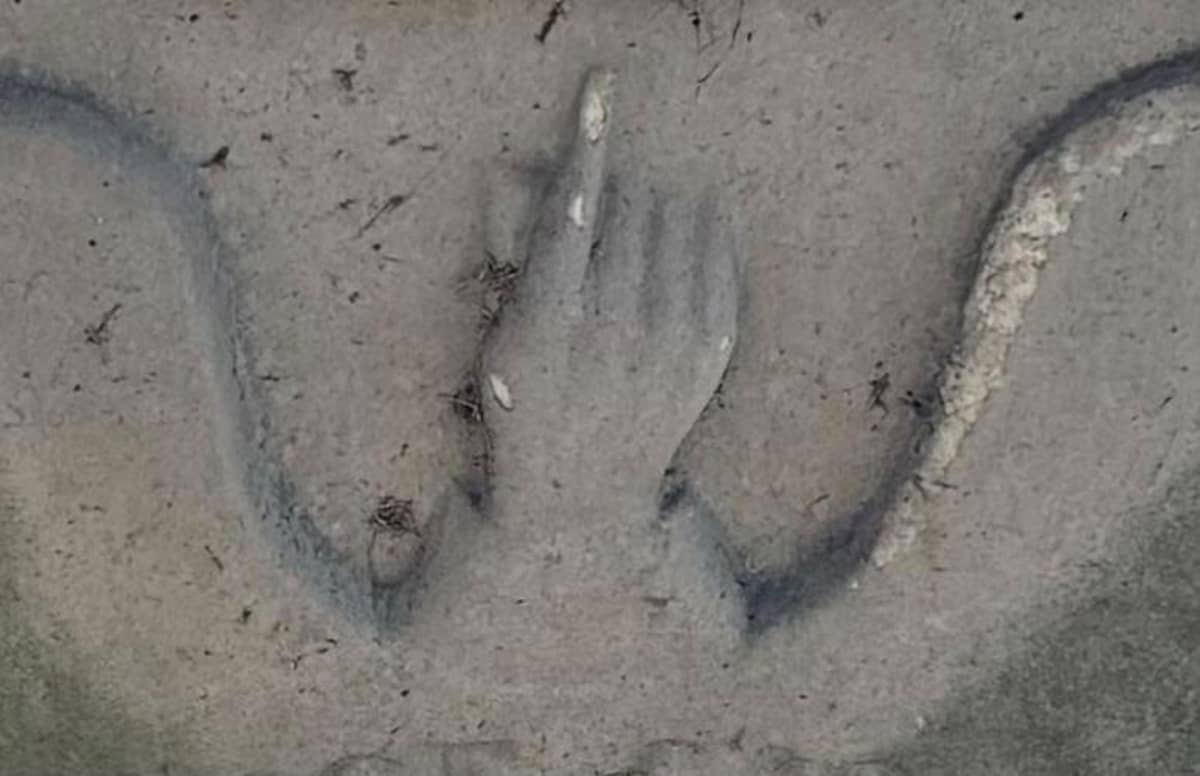
A finger pointing skyward often symbolizes the soul’s ascent to heaven.
But a lone hand with a raised finger can feel a bit unsettling, leaving one to question what exactly it’s pointing at. Is it guiding us toward salvation? Or could it be a warning of something ominous lurking above?
And when the finger points downward well—that opens the door to an entirely new layer of discomfort. Although it might just be a playful gesture from someone with a witty side, meant to leave visitors with a lasting bit of a smile.
The Ouroboros
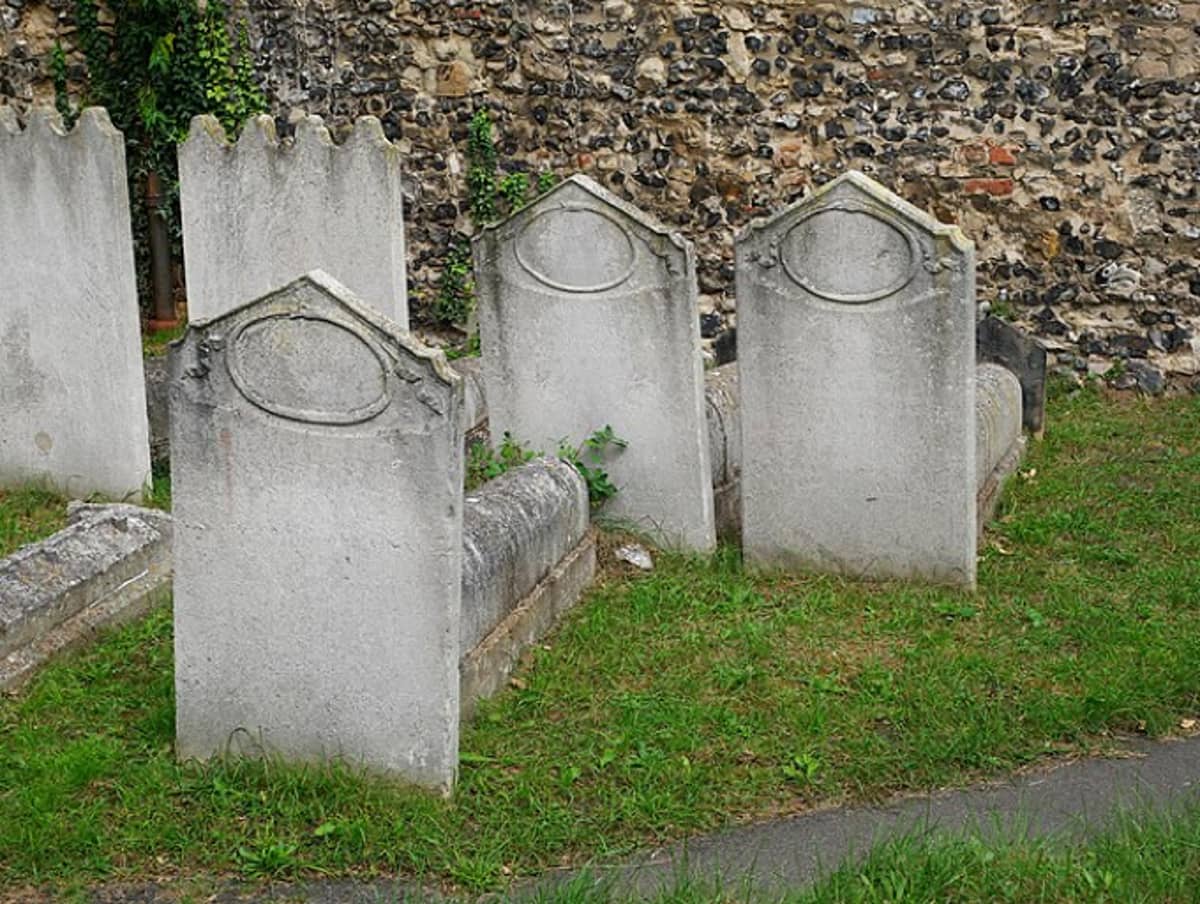
If you’ve ever spotted a grave marker of an ouroboros—a serpent or dragon devouring its own tail—it might have caught you off guard or left you a bit disturbed.
The ouroboros’s roots lie in ancient Egyptian and Greek mythology, with its presence in a cemetery serving as a powerful reminder: death is not the end, but a part of life’s continuous cycle.
An ouroboros offers a surprisingly comforting message, speaking to the notion that life endures, even beyond the grave.
Hourglasses with Wings
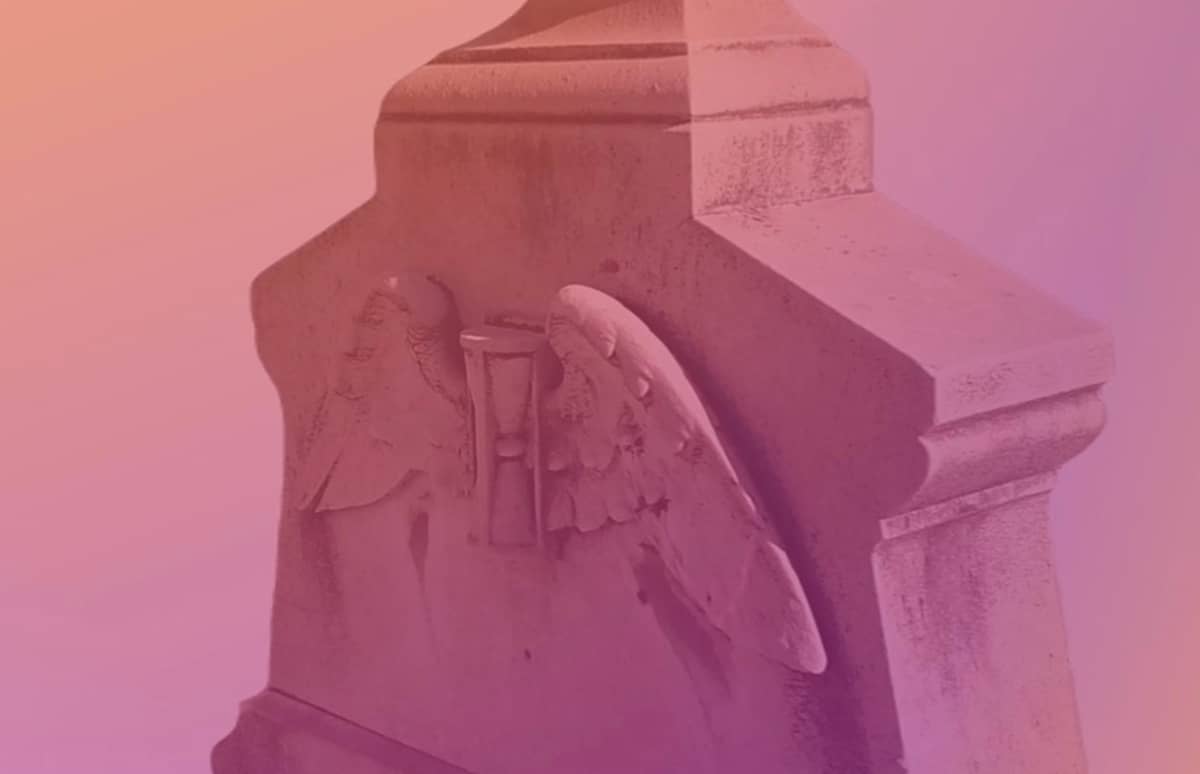
An hourglass clearly marks the passage of time, but the addition of wings brings a minor twist, emphasizing how swiftly it moves.
This imagery, popular in the 1600s and 1700s, highlights the fleeting nature of life and the idea that time, quite literally, flies.
There’s a subtle humor in it—the wings imply that while we may try to outrun time, it’s an inherent part of life’s path.
The Peanut
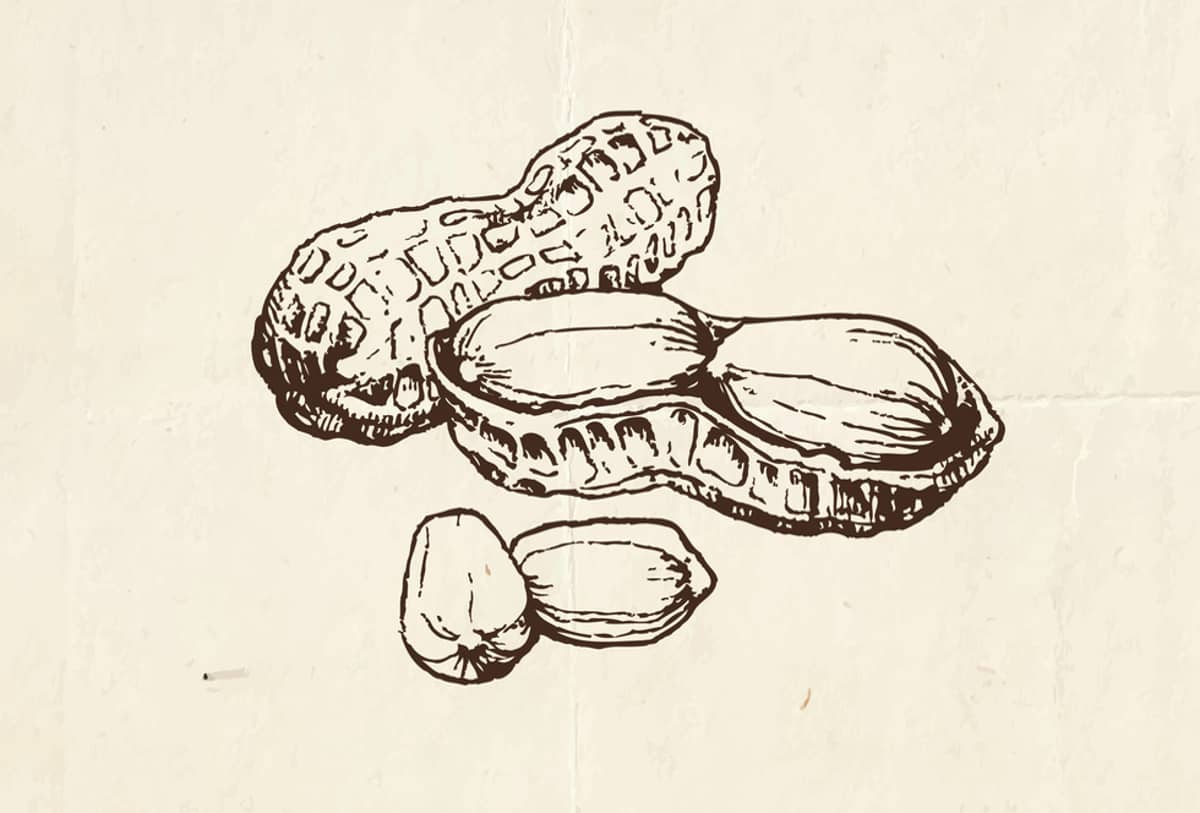
The peanut, in its unassuming shell, reflects a life grounded in practicality and contentment, a testament to someone who didn’t need grand gestures or extravagance to feel fulfilled.
Peanuts are also tied to nourishment and sustenance, portraying a person who was the steady, dependable provider for their family or neighbors.
I like to think that the lighthearted peanut is telling us that not all legacies are built on grandeur—often, the most enduring legacies are those of humility, modesty, and inner strength.
Clasped Hands
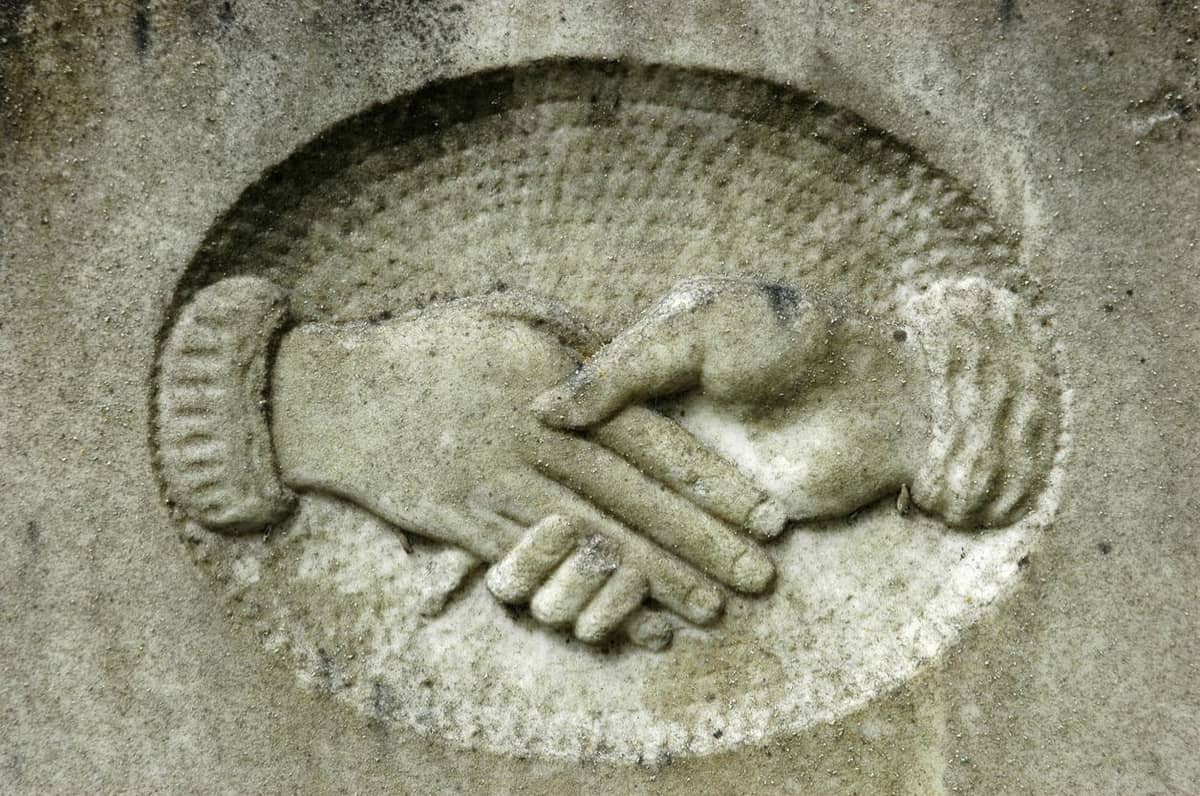
A pair of clasped hands may seem pretty straightforward, likely conveying unity or affection. However, a closer look into their origin reveals different layers of meaning.
When one hand is positioned slightly above the other, it signifies the guiding hand of a divine figure inviting the deceased to heaven.
Hands joined at equal levels represent partnership, often between spouses, though they can hint at a professional handshake or business relationship.
The sleeves of the hands can reveal gender and offer insights into the bonds being depicted.
Ghosts

You might find it hard to believe that some gravestones feature actual ghosts—albeit in carved form.
These whimsical figures, often illustrated as sheet-like apparitions hovering above the grave, allude to the possibility that the soul of the deceased hasn’t fully crossed over to the other side.
On a more reassuring note, ghosts can be an indication that a loved one’s spirit may still be near, watching over those left behind in a protective way.
Final Thoughts
While many families choose designs of love, faith, and hope for grave markers, others have embraced the quirky or uncanny side of memorialization over the centuries. Regardless of the purpose, emblems connect us to the past while offering tangible remembrance in the future.
Just like the rocking chair I mentioned earlier, symbols have a way of leaving a lasting impression. Speaking of that chair, through my research, I’ve learned that an empty chair carries the belief of an eventual reunion in the afterlife— a belief my grandmother cherished. I also found that an empty chair can be associated with cenotaphs, memorials for those whose remains were lost to war or the sea.
What was once a childhood memory of a stoic marker now fills me with pride for a country that honors those who risk their lives, and gratitude that my grandfather returned home to his family safely after serving in World War II.
I hope you, too, have gained a new appreciation for the emblems that we discussed.

Jill Darby
Jill is a member of the Marketing Team and copywriter for Trigard Memorials and all affiliated Greenwood Inc. companies. She grew up in the funeral industry, as her family owned funeral homes in the Midwest. After graduating from Miami University, Ohio in 2003 with a Bachelor’s degree in Business, Jill worked in sales and customer relations for a global funeral product manufacturer. Her experience also includes merchandising, cemetery operations, and aftercare. Jill and her husband, Rich enjoy spending time with family, traveling, watching college basketball, and spoiling their 5 grandchildren.
5 responses to “Unknown Meanings Behind Grave Marker Symbols”
Leave a Reply
Tuesday, May 26, 2026

Wednesday, January 28, 2026

Thursday, November 6, 2025
This is very cool. Great blog!
I am glad you enjoyed the blog, Jackie! Thanks so much for taking the time to read it. -Jill
Hi Daniel, Thanks for the feedback! I appreciate you reading the blog and share your thoughts. Take care, Jill
Any idea what two hands clasped but one hand is a swan head would mean? Thanks!
Hi Jen, thank you for reaching out with this question. The symbol of two clasped hands on a grave marker usually represents unity, farewell, or eternal connection—often between spouses or life partner. When one hand is depicted as a swan, it deepens the meaning. Swans are often tied with grace, purity, fidelity, and the soul’s journey. Together, the imagery suggests a bond that endures beyond life on earth, with the swan highlighting beauty, devotion, and transition to the afterlife. Since this isn’t a common symbol, its meaning may vary and could hold personal significance, so interpretations can differ from family to family. I hope you find this explanation helpful. -Jill