Different Types of Cremation Urns
 Jill Darby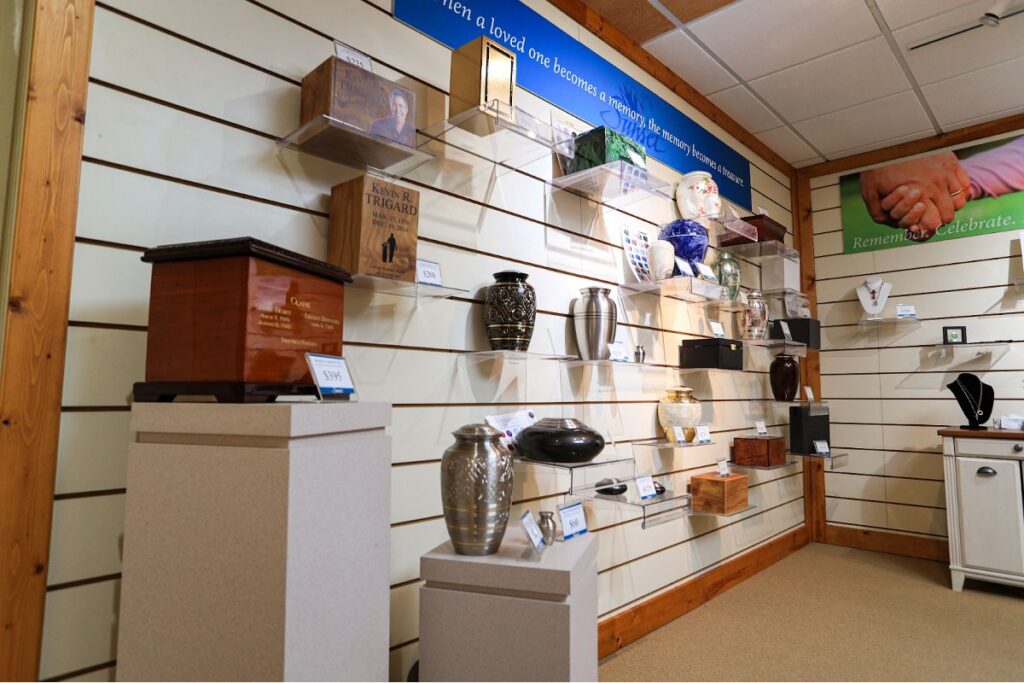
A cremation urn serves as a vessel to house and protect a loved one’s cremated remains. But for a family that has experienced a loss, its purpose extends far beyond mere functionality. The urn becomes a dignified tribute, rich with symbolism- capturing the essence of the departed.
Today, grieving families can choose from hundreds, perhaps even thousands, of urns. In fact, if you were to Google “cremation urn” and view the images that the search returns, you would see a vast array of urns in various shapes, sizes, and hues.
I recognize that not everyone is entirely familiar with the different types of cremation urns, so I’d like to take this opportunity to share more about them with you.
Understanding Different Types of Cremation Urns
Let’s start with the basics by taking a close look at three distinct categories of urns for cremation.
Individual Urns
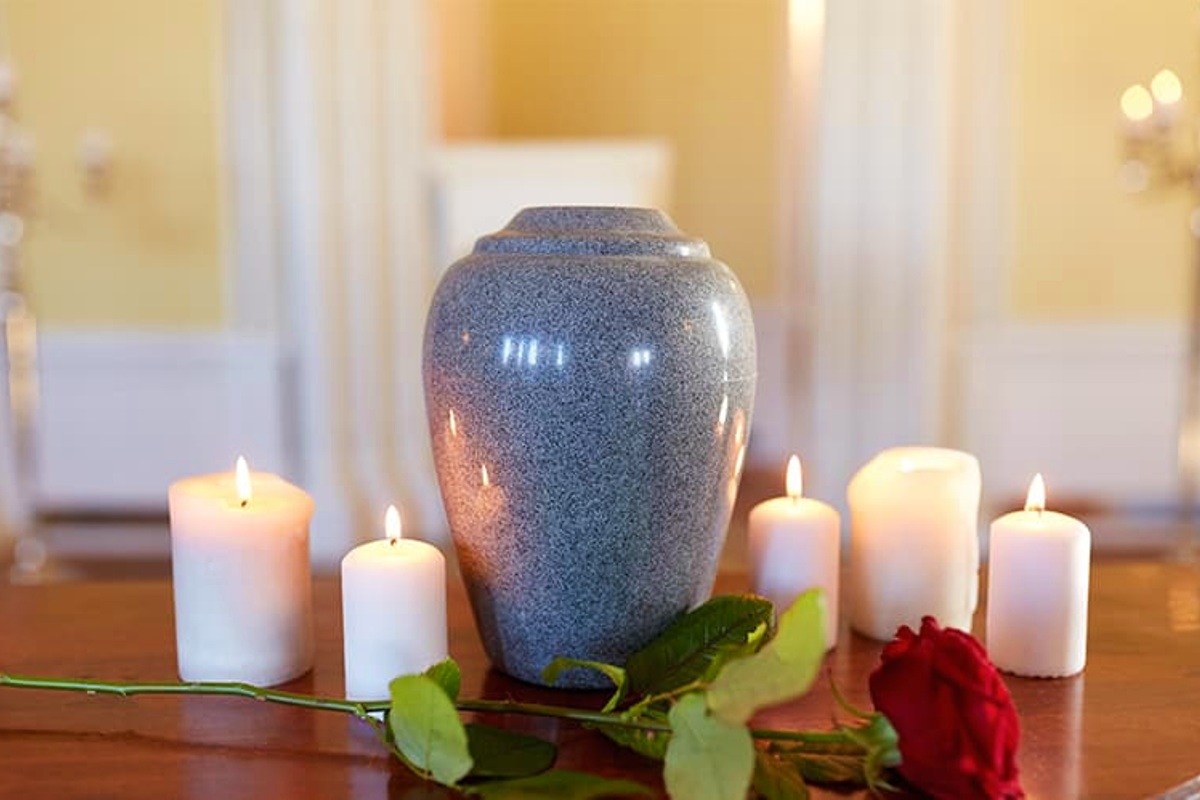
Individual cremation urns are meticulously crafted to hold the cremated remains of one person. Commonly called “full-size” or “single capacity”, these vessels have interior volumes ranging from 195 to 260 cubic inches.
Each cubic inch corresponds to approximately one pound of body weight. To put this into perspective, a person weighing 150 pounds would require an urn with a minimum capacity of 150 cubic inches.
Companion Urns
As suggested by the name, companion urns will house the cremated remains of two people, making them a fitting choice for those who share a special connection in life and wish to be commemorated together in death.
Often called dual-capacity or double urns, companion urns can accommodate between 400 and 450 cubic inches of remains. They are available in two distinct configurations: one with a single, larger chamber, and the other with two smaller chambers intended for holding the remains.
Keepsake Urns
Keepsake urns are thoughtfully designed to safeguard a portion of cremated remains. They allow for the division and sharing of the remains among several family members or close companions, ensuring that each person maintains a physical connection to the deceased.
These keepsakes come in various sizes and designs to cater to different needs and preferences. In addition to preserving cremated remains, many families choose to use them to house sentimental tokens such as soil from the burial site, dried flowers from the funeral ceremony, or even a treasured lock of hair from the departed.
Materials, Design, and Style
Cremation urns, whether individual, companion, or keepsake, can be constructed from practically any type of material. Wood, ceramic, bronze, and other sturdy metals are among the most popular choices.
When it comes to an urn’s silhouette, there are many styles to choose from. Classic vase and box-shaped urns provide a traditional aesthetic, while contemporary urns boast sleek lines and smooth finishes, aligning with modern tastes.
For those seeking something truly unique, custom and handmade urns stand out. These urns are not just containers, but works of art in their own right. Often crafted by talented artisans, they frequently feature unexpected decorative elements.
Exploring Specialized Urns
Full-service funeral homes should offer a diverse assortment of specialty urns. Some of the options you would expect to see on display are below.
Children and Infant Urns
Designed with utmost sensitivity, youth urns can hold a small amount of remains in memory of a child or infant and to commemorate babies lost through miscarriage.
Many are themed and offer personalization options, allowing grieving parents to select an urn that resonates with their child’s spirit.
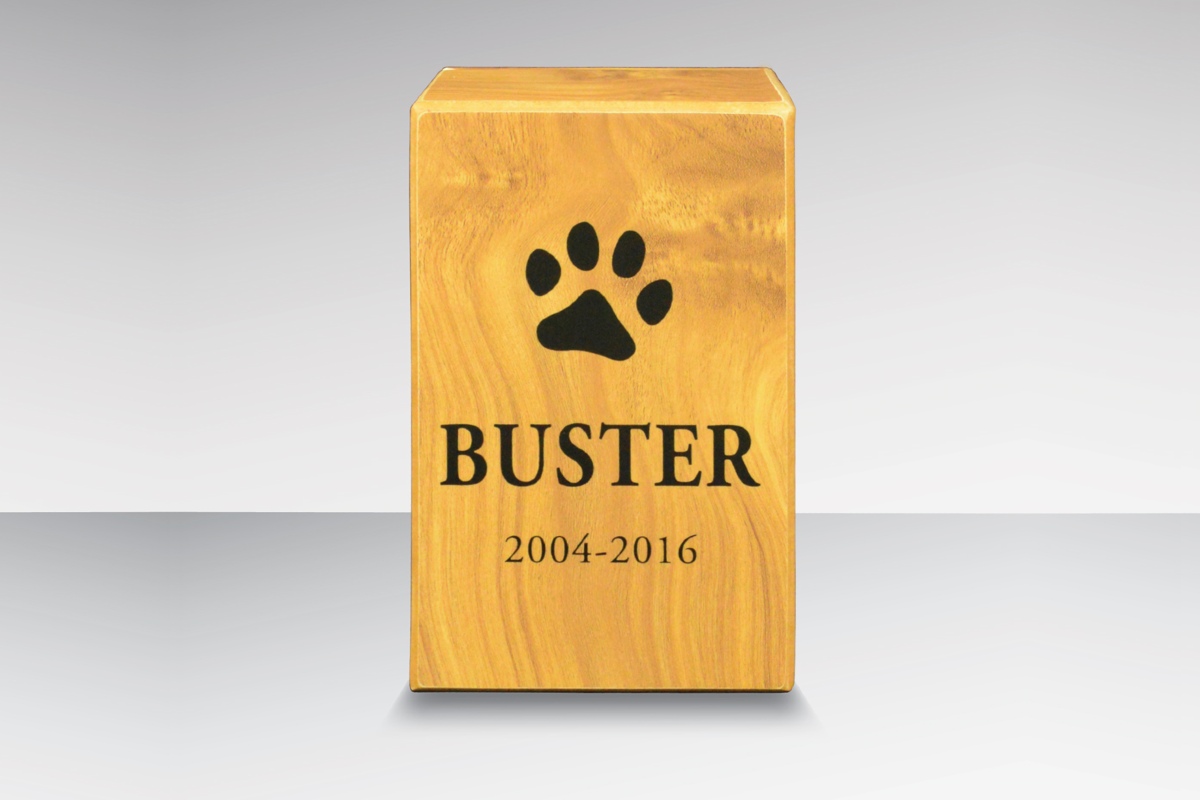
Pet Urns
Given that our animal companions are regularly thought of as part of the family, there are pet urns offered that will accommodate the remains of horses to tiny bearded dragons.
Pet urns are versatile, and if adequately sized, a memento such as a collar or favorite toy may be included with the remains.
Eco-Friendly Urns
For those who wish for a green farewell, eco-friendly vessels are composed of biodegradable materials such as cornstarch, recycled paper, mulberry bark, and rock salt.
Designed for both scattering on land and ground burial, they decompose naturally, leaving minimal environmental footprint.
Water-soluble Urns
Some biodegradable vessels can be placed in a body of water, float for a short time, and then gracefully sink.
The bottom part of the urn begins to dissolve, freeing the cremated remains to spread underwater. The remaining decorative top continues to be visible for several minutes, giving those who have gathered a chance to say a final goodbye.
Cremation Jewelry
Also known as remembrance jewelry, cremation jewelry allows for a small amount of remains to be kept close to the bereaved.
Available in various forms like pendants, rings, bracelets, and necklaces, they let those left behind carry a piece of their loved one wherever they go.
The Significance of Personalization
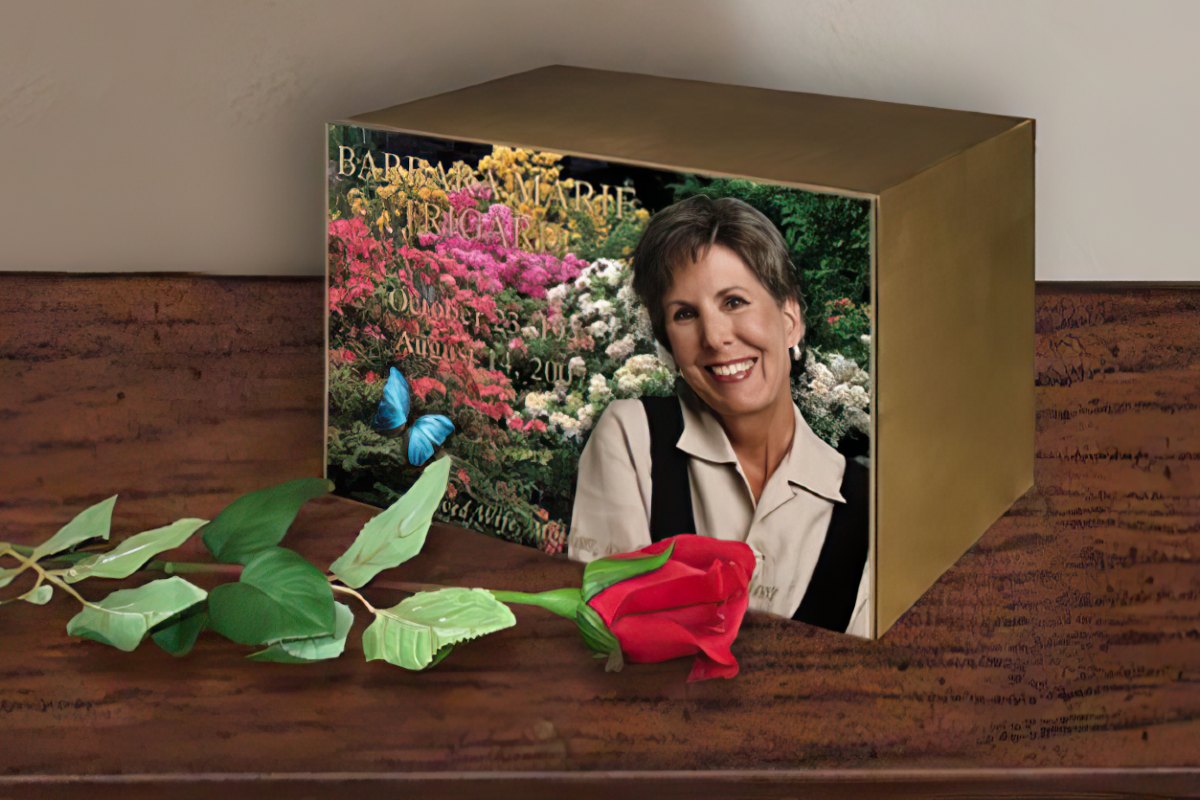
Before concluding, I would like to briefly touch on personalization.
A friend of mine once shared an analogy with me, “You wouldn’t purchase a grave marker without the deceased’s name and dates of birth and death, so why would you purchase a cremation urn without the deceased’s name and a set of dates?”
This perspective has remained with me over time, as I firmly believe in the power of personalization. In my experience, these customizations do more than beautify an urn; they breathe life into the memory of the departed.
Incorporating photos, emblems, and thoughtful embellishments such as nameplates and plaques can offer a glimpse into the loved one’s life journey. If you find yourself in the position of choosing an urn for someone dear to you, I encourage you to personalize it to create a lasting tribute as unique as the individual it honors.
Your thoughts and experiences are important to us. Feel free to share any reflections or questions in the comments below. We’re here to listen and support.

Jill Darby
Jill is a member of the Marketing Team and copywriter for Trigard Memorials and all affiliated Greenwood Inc. companies. She grew up in the funeral industry, as her family owned funeral homes in the Midwest. After graduating from Miami University, Ohio in 2003 with a Bachelor’s degree in Business, Jill worked in sales and customer relations for a global funeral product manufacturer. Her experience also includes merchandising, cemetery operations, and aftercare. Jill and her husband, Rich enjoy spending time with family, traveling, watching college basketball, and spoiling their 5 grandchildren.
Leave a Reply

Tuesday, May 26, 2026

Wednesday, January 28, 2026

Thursday, November 6, 2025
Share this post!
Facebook Share Twitter Share Pinterest Share LinkedIn Share