
Grave Marker Etiquette: What Everyone Should Know
 Jill Darby
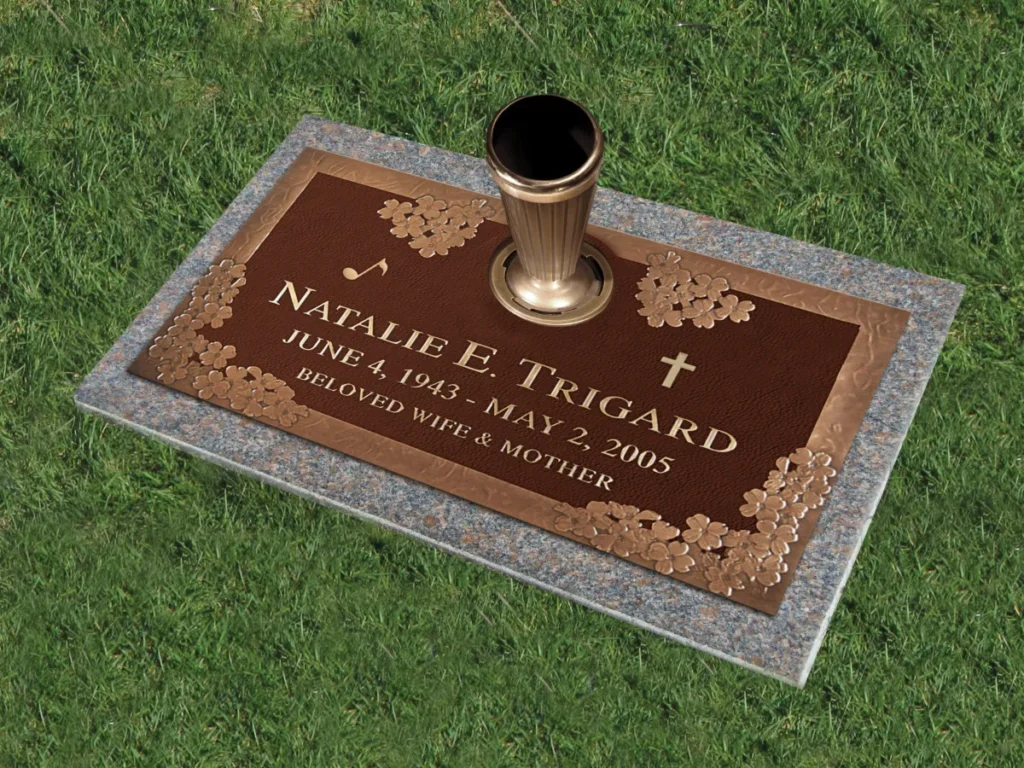
Visiting a cemetery can be a meaningful way to remember someone you love, feel connected to an ancestor, or learn more about family or local history. Your time on the grounds can also naturally bring up questions about what is and isn’t appropriate.
Every cemetery has its own set of rules and regulations, including those related to visiting hours, parking, and speed limits. There are also some general considerations that can help you show respect for the person being remembered, surrounding memorials, and anyone else who may be nearby.
Below, you’ll find answers to some common questions about grave marker etiquette.
How should you approach a grave marker?
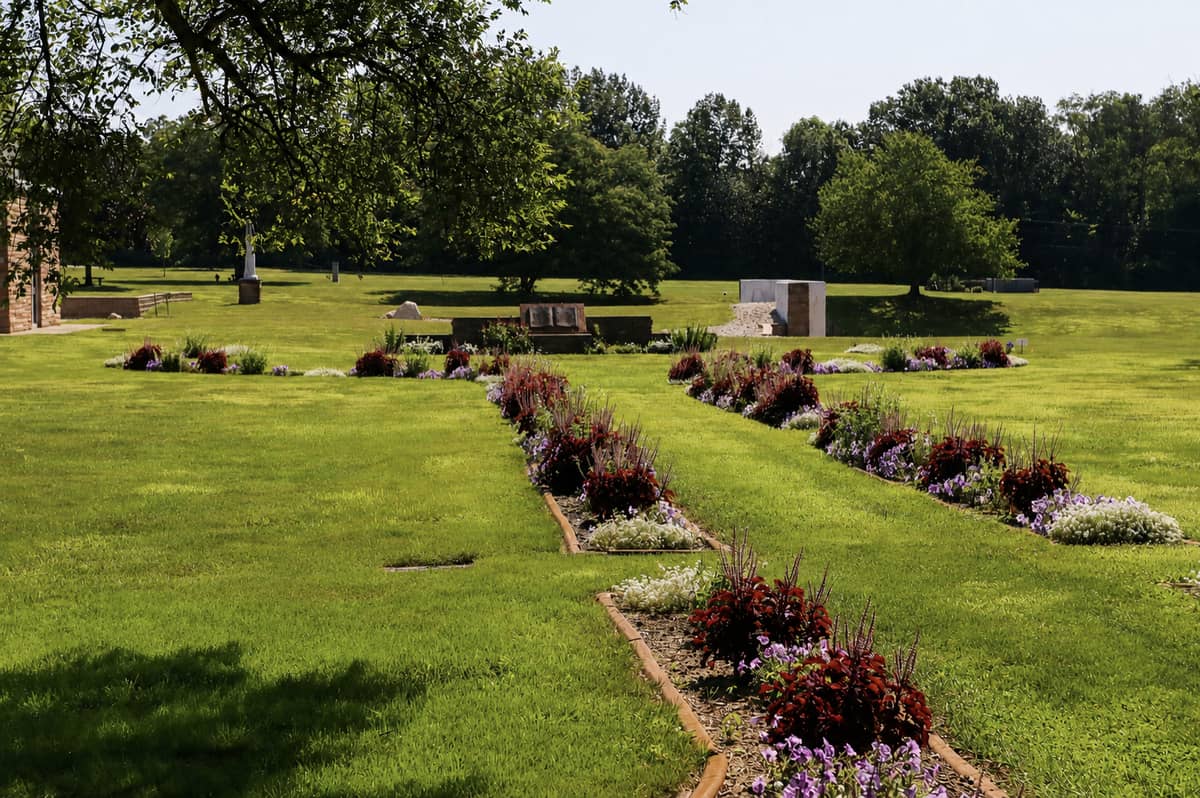
Whenever possible, use the cemetery or memorial park’s established roads, walkways, or paths. If you need to cross a grassy burial area to reach a marker, stay aware, and make sure not to step on decorations and memorials.
There’s no need to worry too much about accidentally crossing the exact boundaries of a final resting place. Simply walk through the area thoughtfully, giving the same respect that you’d want others to show your own loved one’s gravesite.
Is it ever appropriate to touch a grave marker?
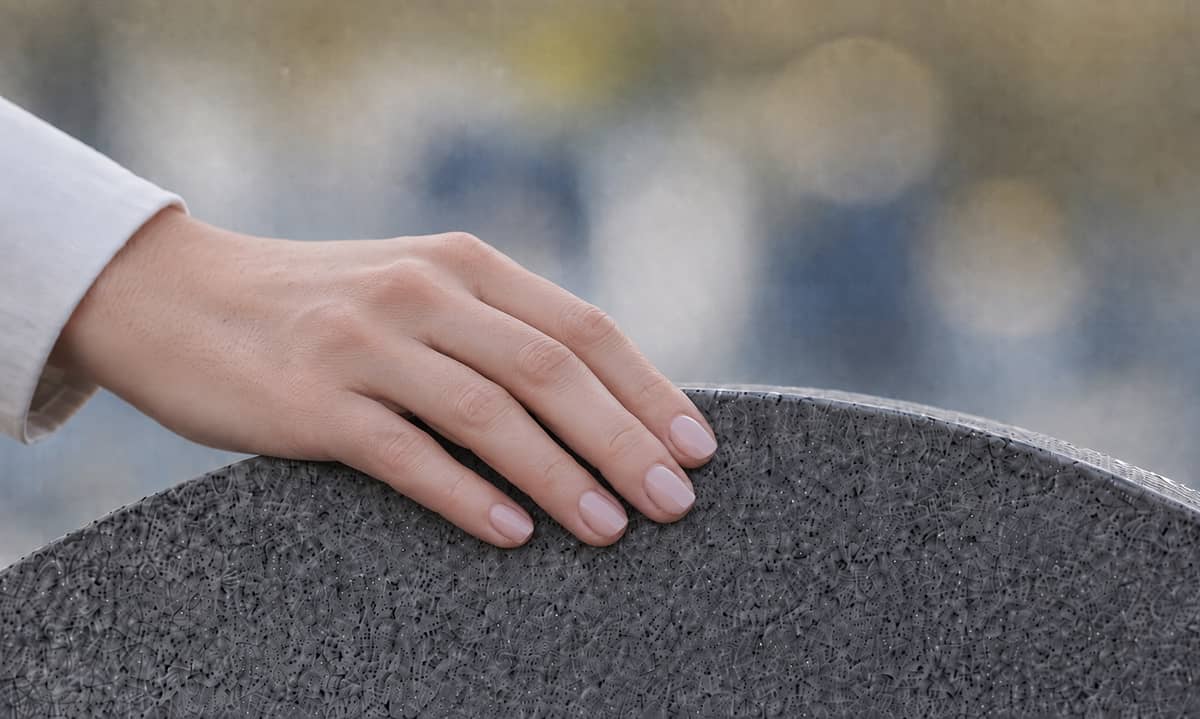
Yes. Gently touching a loved one’s marker can bring a real sense of peace and comfort. Some people place a hand on the tribute, trace a name or inscription with their fingers, or sit beside it for a few moments.
Just avoid sitting, standing, or leaning on the markers themselves. Extra care is especially needed around historic stones or monuments—they can be more fragile than they look.
Can you trim the grass or remove weeds around a marker?
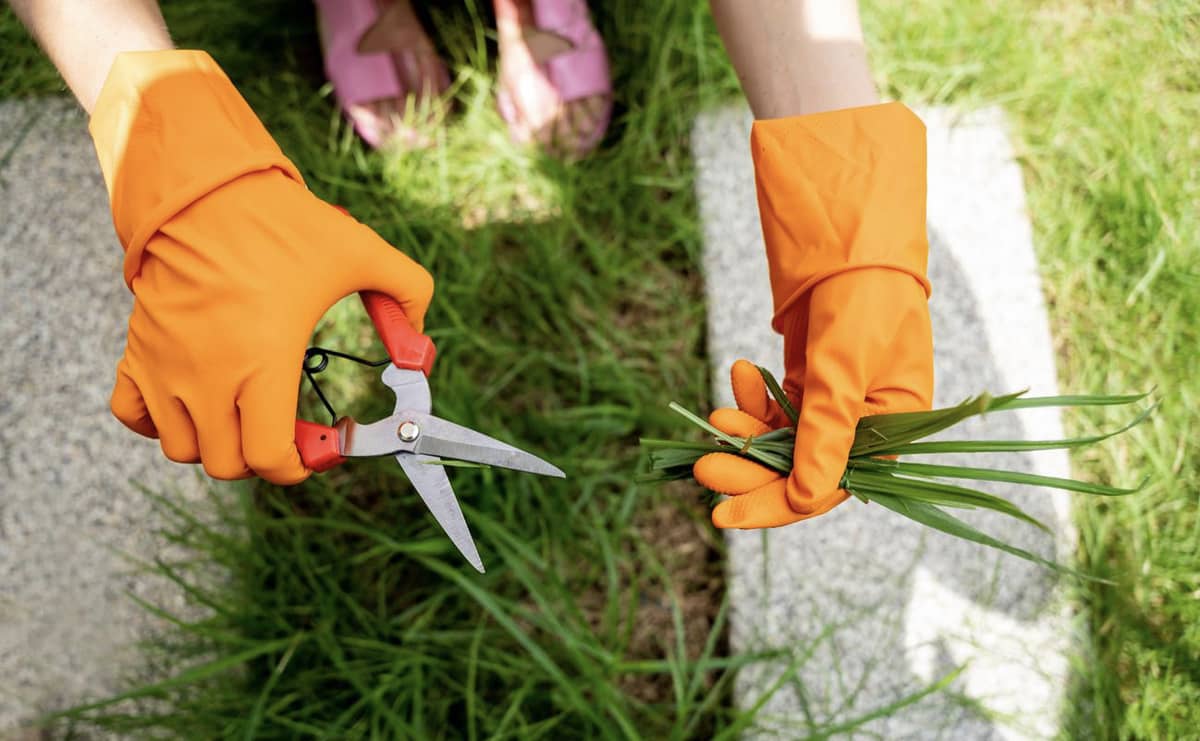
Pulling a few weeds or clearing grass away from a marker is perfectly fine. For many people, tidying the area can feel like a small act of care. Anything beyond light upkeep, though, usually falls under the cemetery’s responsibilities.
It’s best to ask permission before trimming grass, digging, planting flowers, or applying weed killer. Ground crews may have specific procedures, and families aren’t generally allowed to change the landscaping themselves.
If a marker is becoming overgrown or difficult to see, the next step is to contact the cemetery directly.
Is it okay to clean a memorial yourself?
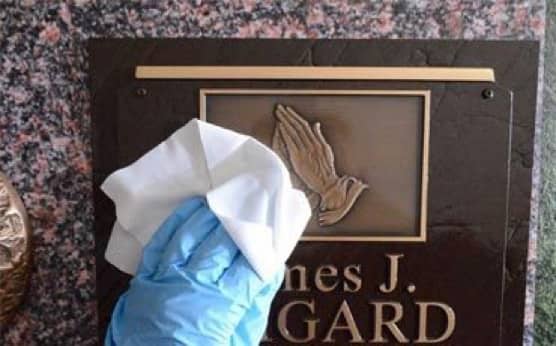
Generally speaking, yes—but it’s important to know how to clean a memorial properly before you begin. While it can be tempting to grab a cleaner and scrub away years of dirt or staining, a bit of caution will go a long way.
Markers come in bronze, granite, marble, and other materials, each of which requires a different kind of care. Everyday household cleaners, bleach, wire brushes, pressure washers, and abrasive tools can do more harm than good.
If you’d like to clean a family memorial, check with the cemetery to find out what materials and methods they recommend. For an older or heavily stained memorial, reaching out to an experienced professional may be the better choice.
And unless you have permission, leave memorials that belong to other families untouched. Even with the best intentions, the decision is personal to them.
Who is responsible for maintaining a grave marker?
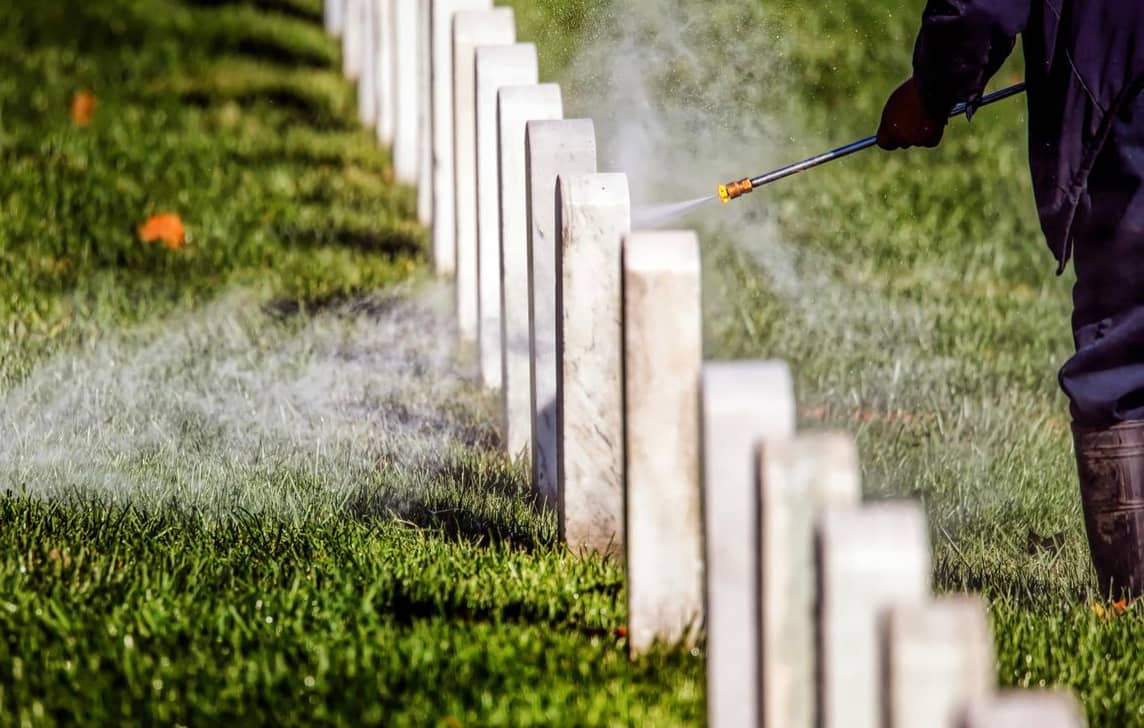
Responsibility varies by cemetery and by the type of marker.
Cemetery staff usually take care of the surrounding grounds, but that doesn’t automatically mean they clean or repair individual memorials. Those duties generally belong to the family or the owner.
If you notice a marker that is leaning, cracked, loose, stained, or otherwise damaged, contact the cemetery before trying to fix it yourself. They can let you know who’s responsible and, if needed, point you toward someone qualified to make the repair.
What can be left at grave markers, mausoleums, niches, or scattering gardens?

Flower regulations and rules about decorations are often posted on signs near the cemetery’s entrance, on its website, or on its Facebook page. If the cemetery has an office, you can usually get a written copy from there as well.
Fresh flowers are almost always a safe choice. Wreaths, flags, seasonal items, photographs, and small mementos may also be welcome, depending on the location and the type of space.
A traditional gravesite tends to allow more variety, while a mausoleum or cremation niche might only permit flowers placed in an attached vase.
Scattering gardens and shared areas may have tighter rules because the space serves many families.
What happens to decorations during cemetery cleanup?

Many cemeteries schedule regular cleanups throughout the year so crews can remove faded flowers, seasonal decor, and anything that might get in the way of lawn care. That means something left at a gravesite won’t necessarily stay there forever.
Holidays such as Memorial Day, Christmas, or Veterans Day often come with different rules and more decorations. A quick look at posted signs, the cemetery’s social media, or a short call to the office can keep a special keepsake from being discarded by mistake—and spare you the disappointment of finding it gone on your next visit.

Taking a photo of a loved one’s marker is completely fine. Many people share those pictures with relatives who live far away, keep them for genealogy records, or hold onto them as a personal remembrance. For some families, the photos become an important way to preserve their heritage.
Photographing other memorials can also be appropriate, especially for historical or genealogical reasons. Just stay mindful of any nearby visitors.
Posting a photo publicly deserves a little extra thought. If the memorial belongs to someone outside your immediate family, consider whether that family would feel comfortable seeing the image online, especially if it shows personal details or was recently placed.
When in doubt, asking permission is a considerate choice.
Are grave rubbings always allowed?
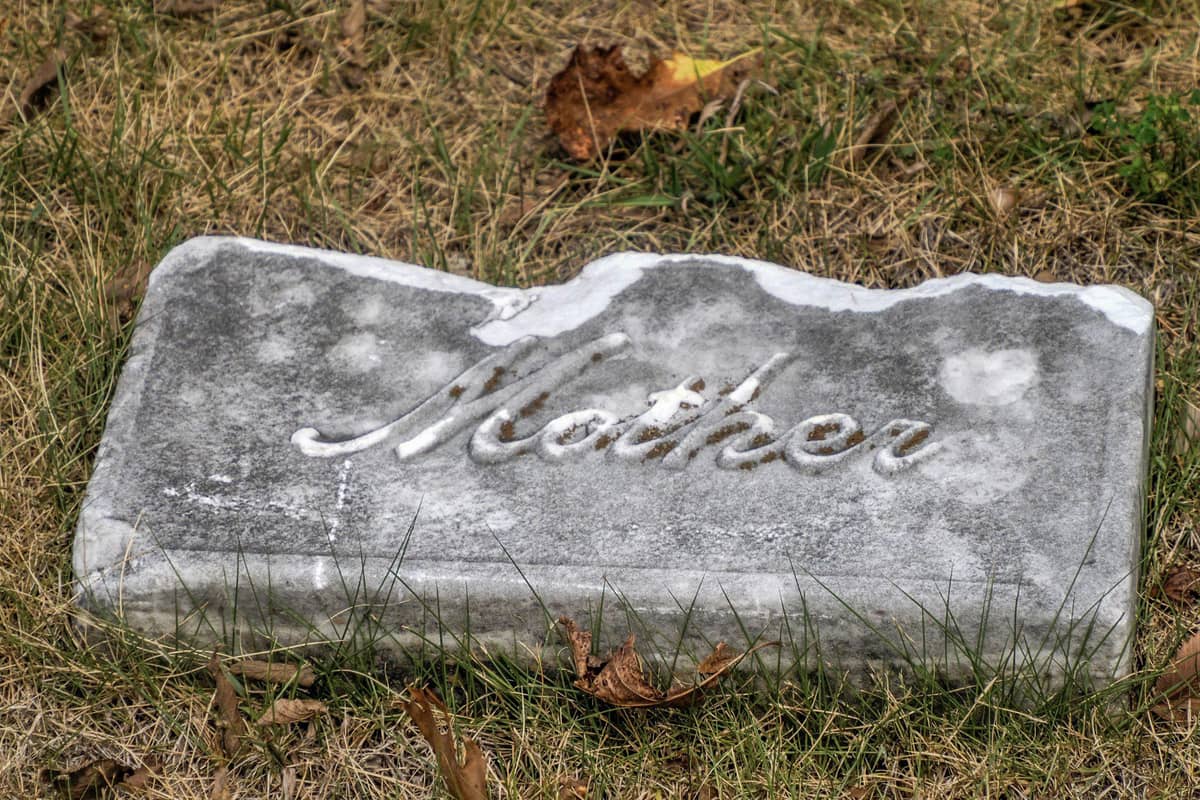
Grave rubbings have a long history in genealogy and older cemeteries, but they’re not always permitted.
The process involves placing paper over a marker and rubbing chalk or crayon across the surface to capture the inscription or design. Older stones can be fragile, and the rubbing itself may contribute to wear or damage.
Some long-established cemeteries ban the practice entirely. If you simply want to preserve an inscription, a photograph is usually the safer option. If you still want to do a rubbing, ask first rather than assuming it’s allowed.
A Little Consideration Goes a Long Way
Every memorial—whether it is a flat bronze marker, an upright monument, a niche front, or mausoleum nameplate—represents a life that continues to matter to someone. Thoughtful etiquette helps protect not only the memorial itself but also the stories, traditions, and connections tied to it.
Grave marker etiquette doesn’t have to feel complicated. Most of it comes down to respecting the memorial, following the cemetery’s policies, and staying mindful of the other families who share the space.

Jill Darby
Jill is a member of the Marketing Team and copywriter for Trigard Memorials and all affiliated Greenwood Inc. companies. She grew up in the funeral industry, as her family owned funeral homes in the Midwest. After graduating from Miami University, Ohio in 2003 with a Bachelor’s degree in Business, Jill worked in sales and customer relations for a global funeral product manufacturer. Her experience also includes merchandising, cemetery operations, and aftercare. Jill and her husband, Rich enjoy spending time with family, traveling, watching college basketball, and spoiling their 5 grandchildren.



Share this post!
Facebook Share Twitter Share Pinterest Share LinkedIn Share