
How to Use Grave Markers to Trace Your Family Tree
 Jill Darby
Isn’t it interesting how we come to appreciate certain things more as we get older? A bright, sunny day after a stretch of rain, a good doctor’s report, or the simple joy of sleeping in a little longer on a Saturday are not taken for granted. And for many of us, this maturing perspective extends to our interest in our lineage.
Delving into family history can be an enlightening journey that uncovers many insights into our heritage. Thanks to electronic archives, DNA testing, and online databases, genealogical research has become more accessible than ever. However, one of the most meaningful ways to connect with your ancestors doesn’t rely on technology; instead, it involves studying their grave memorials.
In this blog post, we will explore how to use grave markers to trace your family tree and discuss the clues they can provide about the lives of those who came before us.
Getting Started
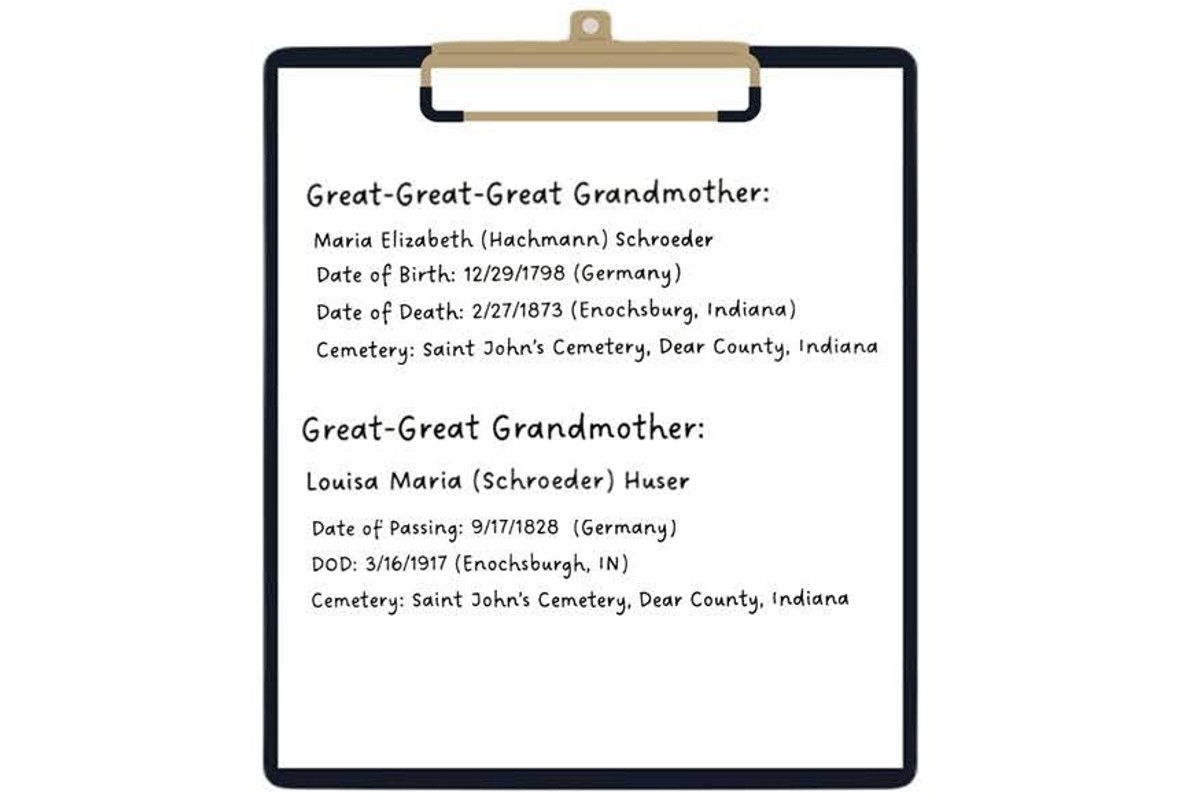
While it might be tempting to jump in your car and head directly to the cemetery, it’s best to first gather as much information as possible about your family.
Begin by listing details about your immediate and distant relatives, both living and deceased, including full names (and maiden names), birthdates, death dates, and the known locations of their final resting places.
Interviewing family members can be extremely beneficial, so think about reaching out to parents, grandparents, aunts, uncles, and cousins. Don’t worry if you have more facts about some relatives than others—this is perfectly normal and part of the process.
Online Searches
You will then want to focus on identifying the burial locations of ancestors whose gravesites remain a mystery. It would be disheartening to visit a cemetery only to realize later that you overlooked the graves of other relatives.
I suggest using resources like Find a Grave and BillionGraves. These websites offer digital archives of cemeteries and grave sites worldwide. Both platforms are rich in content and rely heavily on contributions from volunteers.
As a sort of test, I decided to see what I could uncover about my grandfather, who passed before I was born. To my surprise, a quick search on Find a Grave returned a photo of his marker, his obituary, and a list of relatives.
Cemetery Visits

It will then be time to plan visits to the cemeteries you’ve identified. Touring these grounds will provide a deeper understanding of your family tree that other resources simply won’t be able to match.
If any relatives have expressed interest in piecing together the family puzzle, consider inviting them to join you. Working together will not only make the experience more enjoyable but may also enrich it in unexpected ways.
While at the cemetery, make a point to take video and photographs of the markers you find, along with those in the general vicinity. This documentation will prove invaluable, both for your own records and for sharing with others down the road.
Mapping Out the Plots

Mapping the locations of your forebears’ graves in relation to each often provides insights into familial relationships that may not be referenced elsewhere.
Many families purchase multiple plots in the same general area, which makes it likely that nearby markers belong to other relatives, in-laws, or descendants spanning several generations.
By taking a close look at neighboring memorials, you can often get a glimpse into the community structures and social networks that your forebears were part of. These types of observations can give you a more comprehensive picture of their lives and times they navigated.
You will also want to pay attention to markers within any physical boundaries, such as fences or stone borders, as they can help construct the broader family narrative. For example, infant deaths were not consistently recorded before the 1900s, meaning that a small, unadorned gravestone in a family plot might be the sole indicator of such a loss.
Unveiling History

The inscription on a grave marker will provide vital context about the individual’s life. Recording the names and dates accurately is crucial for retrieving birth certificates, death notices, or obituaries, which can open new avenues in your search.
Certain epitaphs will reveal personal relationships, like those of a parent, sibling, or spouse, that may have been previously unknown to you. Additionally, the language and phrasing of the inscriptions may hint at your ancestors’ origins, potentially broadening your search beyond the United States.
Becoming familiar with the meanings of various emblems can shed light on the departed’s religious beliefs, affiliations, or cultural identity. As an example, a specific religious symbol might indicate a particular faith and lead you to a local church cemetery where more of your ancestors are buried.
Furthering Your Research

The information you gather from grave markers can serve as a springboard for further research. To fill in any remaining gaps in your family tree, consider contacting local historical societies, reading old obituaries, and checking church registries.
Cemeteries may also have files that include the name or names of the person(s) who purchased specific grave spaces or list other family members buried in the same plot. During my time working in a memorial park office, I often came across interesting tidbits about people’s lives, jotted down—from favorite flowers to most loved songs. It wouldn’t surprise me if you find some similar notes.
Final Thoughts
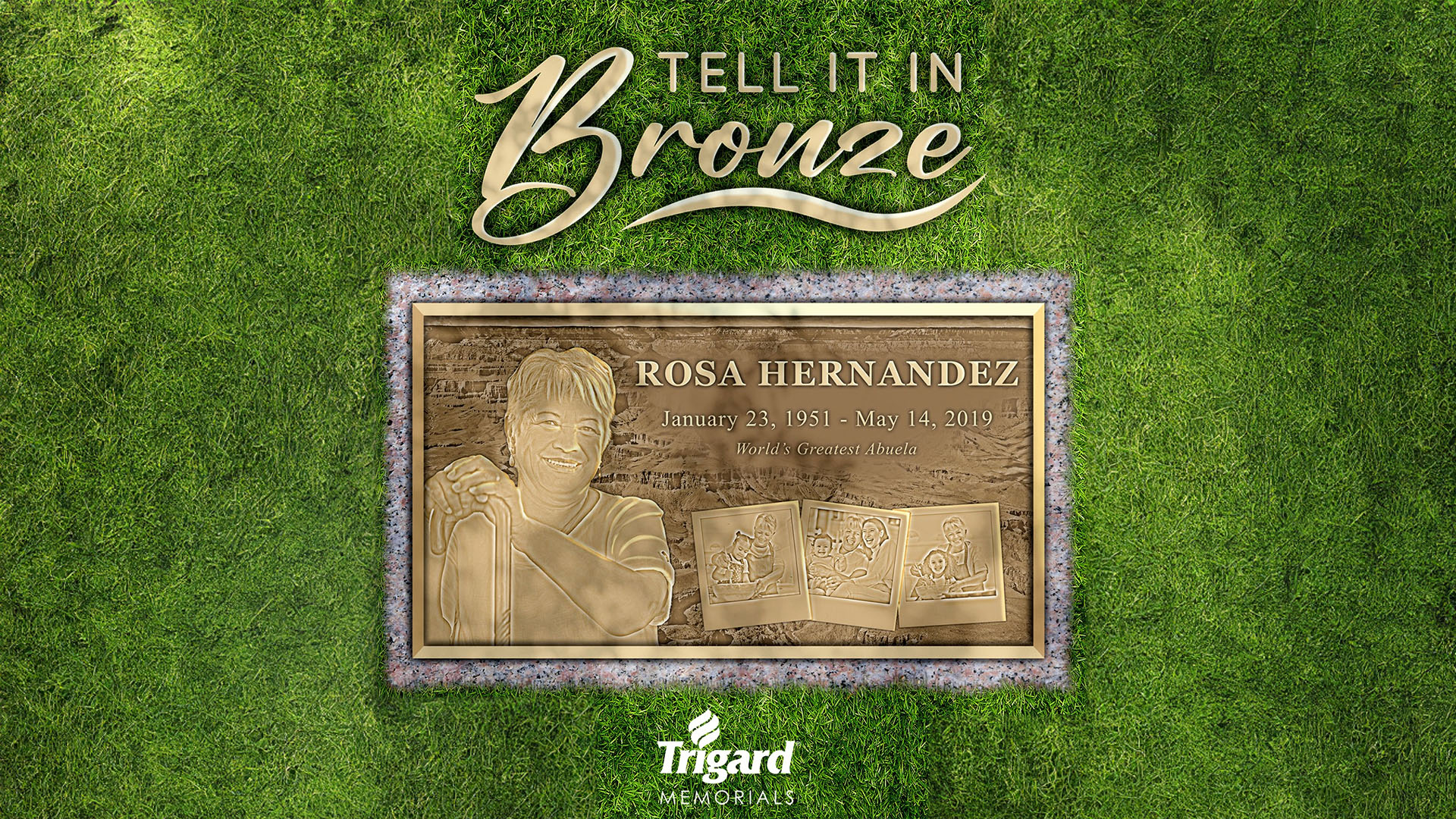
As we come to a close, I hope I’ve conveyed that gravestones are far more than memorials; they are gateways to the past. By making the effort to visit cemeteries, diligently documenting your findings, and connecting the dots between various sources, you can use grave markers to trace your family tree, uncovering new branches each step of the way.
Through this intriguing process, I am confident that you will discover that every memorial holds a story waiting to be told. Each name, dates, and inscription represents a thread in the larger tapestry of your family’s history. These stories, when woven together, not only expand your understanding of your lineage but also preserve the memory of those who contributed to your existence.

Jill Darby
Jill is a member of the Marketing Team and copywriter for Trigard Memorials and all affiliated Greenwood Inc. companies. She grew up in the funeral industry, as her family owned funeral homes in the Midwest. After graduating from Miami University, Ohio in 2003 with a Bachelor’s degree in Business, Jill worked in sales and customer relations for a global funeral product manufacturer. Her experience also includes merchandising, cemetery operations, and aftercare. Jill and her husband, Rich enjoy spending time with family, traveling, watching college basketball, and spoiling their 5 grandchildren.
Leave a Reply

Tuesday, May 26, 2026

Wednesday, January 28, 2026

Thursday, November 6, 2025
Share this post!
Facebook Share Twitter Share Pinterest Share LinkedIn Share