
Step-by-Step Guide to Planning a Funeral
 Jill Darby
When someone special in our life passes away there are many things that must be taken care of in a short period of time. Planning a funeral when we are stricken with grief and trying to manage a roller coaster of emotions is difficult, to say the least. Simply figuring out where to start can be a lot to wrap your head around.
If you will be planning a funeral for a loved one, you should find this guide outlining what needs to be addressed immediately following a death up until the time of services to be helpful. My hope is that by breaking down each part of the process into sequential steps some of the stress and anxiety you may be feeling can be alleviated.
1. Notify Others of the Death
Close family members should be contacted soon after someone passes. If there is a large extended family, asking immediate relatives to reach out to aunts, uncles, and cousins can lift some of the burden of delivering such a tough message.
Clergy members who you would like to be part of the service need to be notified as well. If there are any close friends who are thought to be part of the family, they will also appreciate being informed.
2. Call a Funeral Home

A loved one should be taken into the care of a funeral home shortly after passing. If the deceased was in the hospital, a nursing home, or a hospice facility, the staff will usually contact the funeral home as long as they have been given permission to do so.
If the departed’s preference regarding an end of life service provider was not known, I recommend taking factors such as the firm’s reputation, amenities, and pricing structure into consideration.
3. Locate Necessary Documentation

Below is a list of the main documents that must be located right away. The exact records that will be needed may vary.
- Preplanned funeral contract
- Proof of social security number
- Life insurance policy
- Living will
- Biographical information for the obituary
- Copy of DD-214 (for veterans)
*Steps 4 through 6 will be finalized at the funeral home. However, it’s always a good idea to think about these things ahead of time.
4. Choose a Form of Disposition
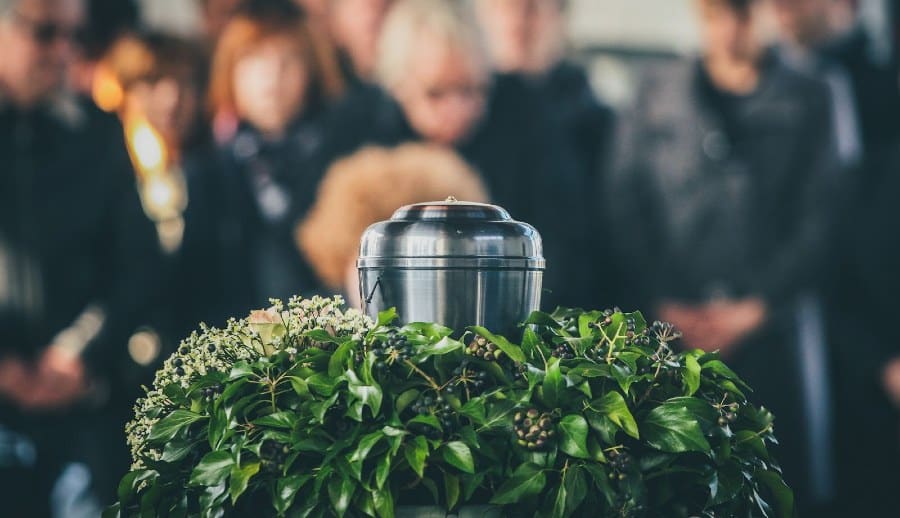
If the person who passed away did not make his or her wishes known, you will need to choose between cremation and traditional burial. This determination is often based on individual preferences, budget, and religious beliefs.
Familiarizing oneself with the pros and cons of both options can also be instrumental in making the best decision.
5. Determine What Type of Service to Have
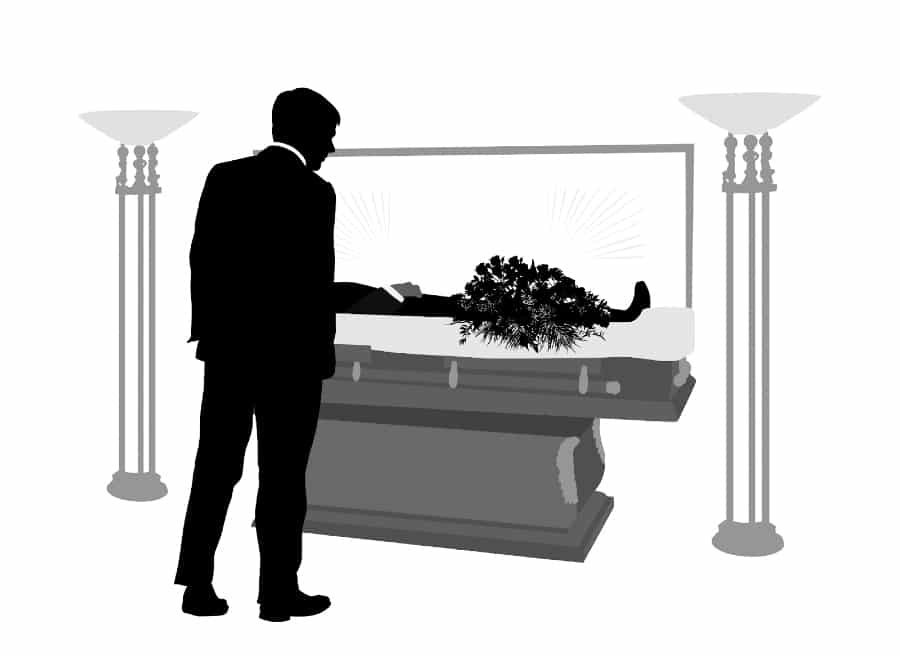
Knowing what type of services you want to have prior to going to the funeral home provides your funeral director with a platform to build on and helps arrangements go smoothly.
You should first determine if there will be a visitation and if a funeral service will be held afterward or the next day. If a cemetery interment is to take place, you should decide if the graveside ceremony will be public or private. Having a memorial service is another alternative
Being prepared to discuss how familial traditions, cultural customs, and/or religious beliefs will be incorporated into services can also be beneficial. The funeral director can then offer further customization suggestions to reflect the person’s character, passions and values.
6. Select Funeral Participants
You will be selecting individuals to give the eulogy and do the readings at the service. Ideally, these participants had a close relationship with the deceased and have experience speaking in front of a group.
Between 6 to 8 pallbearers must be chosen to carry the casket from the funeral home or church to the hearse. Pallbearers should be sturdy on their feet and able to keep their composure while fulfilling their obligation.
Musicians should be contacted next if there will be some form of live music played during the service.
7. Make Arrangements at the Funeral Home

When you go to the funeral home, a licensed funeral director will help plan the details of the service. He or she will present the different possibilities pertaining to flowers, readings, and music to you. The form of disposition will determine if a casket, burial vault, or urn should be purchased.
You will then be providing information for the obituary and death certificate in addition to making payment arrangements. On average, this meeting takes anywhere from a half hour up to 2 hours.
8. Arrange for a Final Resting Place

If the person who passed had not specified where he or she would like to be laid to rest, an appointment should be made at a local cemetery to purchase a burial plot or a mausoleum space. You might want to consider a cemetery that has niche spaces, columbariums, and/or ossuaries for a loved one who is going to be cremated.
If the cemetery offers permanent memorialization products such as grave markers, niche plates and remembrance benches you can review your options and obtain pricing at this time or set up a time to do so in the future.
9. Gather Pictures and Memorabilia

To help create a personalized service, some time needs to be set aside to gather photos and special mementos to display at the visitation and/or service.
Most funeral homes will put together photo boards and a memorial video made up of pictures and sometimes, live footage, that is set to music. Showcasing different aspects and stages of the person’s life can be a highlight of the service and enables the departed’s memory to stay alive through the memories of others.
10. Organize a Reception

Many families host a post-ceremony reception for funeral guests to gather in an informal setting to socialize and enjoy refreshments or a meal.
Coordinating this type of event involves reserving a venue such as a church banquet hall or reception center that can accommodate the expected number of guests. The reception can either be a potluck or the food can be catered. If there isn’t going to be a large crowd, you may be able to have it at a restaurant.
A Final Something to Talk About
Now that you are aware of all the detailed planning that accompanies the death of a loved one, I would like to plant a small seed in your mind. Please consider pre-arranging your own end-of-life arrangements.
This is one final caring gift you can give your loving family. Those left behind will be able to focus on their own path to healing and won’t have to worry if they are making choices that reflect your wishes. They also won’t find themselves questioning their decisions years down the road.
Be on the lookout for next month’s blog outlining what needs to be taken care of after the funeral.

Jill Darby
Jill is a member of the Marketing Team and copywriter for Trigard Memorials and all affiliated Greenwood Inc. companies. She grew up in the funeral industry, as her family owned funeral homes in the Midwest. After graduating from Miami University, Ohio in 2003 with a Bachelor’s degree in Business, Jill worked in sales and customer relations for a global funeral product manufacturer. Her experience also includes merchandising, cemetery operations, and aftercare. Jill and her husband, Rich enjoy spending time with family, traveling, watching college basketball, and spoiling their 5 grandchildren.
Leave a Reply

Wednesday, January 28, 2026

Thursday, November 6, 2025

Friday, October 31, 2025

Share this post!
Facebook Share Twitter Share Pinterest Share LinkedIn Share