
The History of Grave Markers in America
 Jill Darby
Not too long ago I visited a historic cemetery in Enochsburg, Indiana to find the burial plots of my great-great-grandparents as well as other family members who passed well before my time.
I wasn’t expecting to find out as much as I did about my ancestors’ lives from their weathered and tattered headstones. The connection I felt to them also took me by surprise.
As I walked along the dirt path back to my car I thought about the evolution of grave markers over the years. And by the time my seat belt was fastened, I had decided to learn more about the history of grave markers in America and pass my knowledge on to others.
Early Colonial America
In early America, grave markers were often simple and utilitarian. Many burial plots were marked with fieldstones or wooden planks that were susceptible to weathering and decay.
Typically unadorned and of short stature, most headstones were inscribed with only the deceased’s name (or initials) and the date they passed away.
Much superstition surrounded the idea of death in this era. Markers were not only a sign of respect, but they were also thought to keep the dead from rising and wreaking havoc.
17th Century
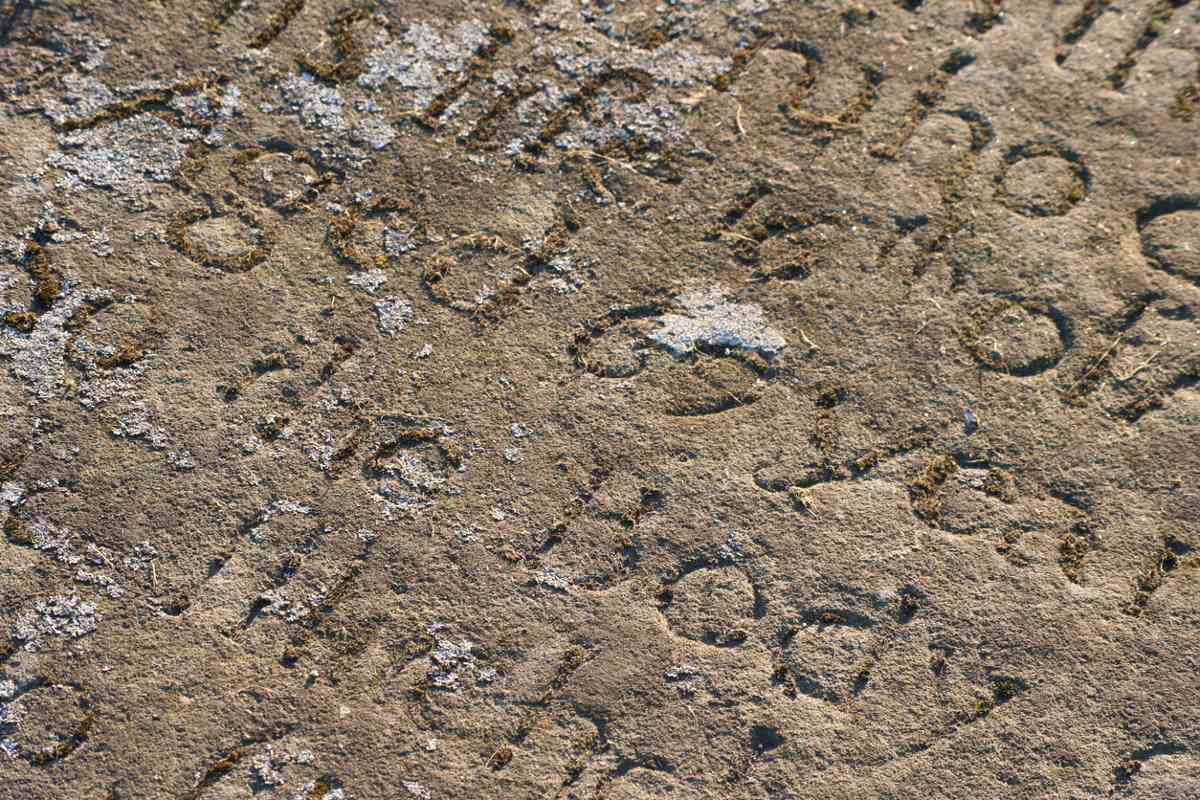
By the beginning of the 17th century tablet headstones had replaced the rudimentary markers of early colonial times. These markers were typically made from sandstone, schist, and slate – all stones that were relatively easy to quarry and cut to size.
Installed upright and vertically, memorials during this time often featured simple etchings that reflected one’s perception of life and death. These flat-faced memorials also allowed for short epitaphs, verses, or a few words about the deceased’s life.
It was not unusual for a person’s cause of death or their relationship to others buried on the same plot to be inscribed on the headstone as well.
18th Century
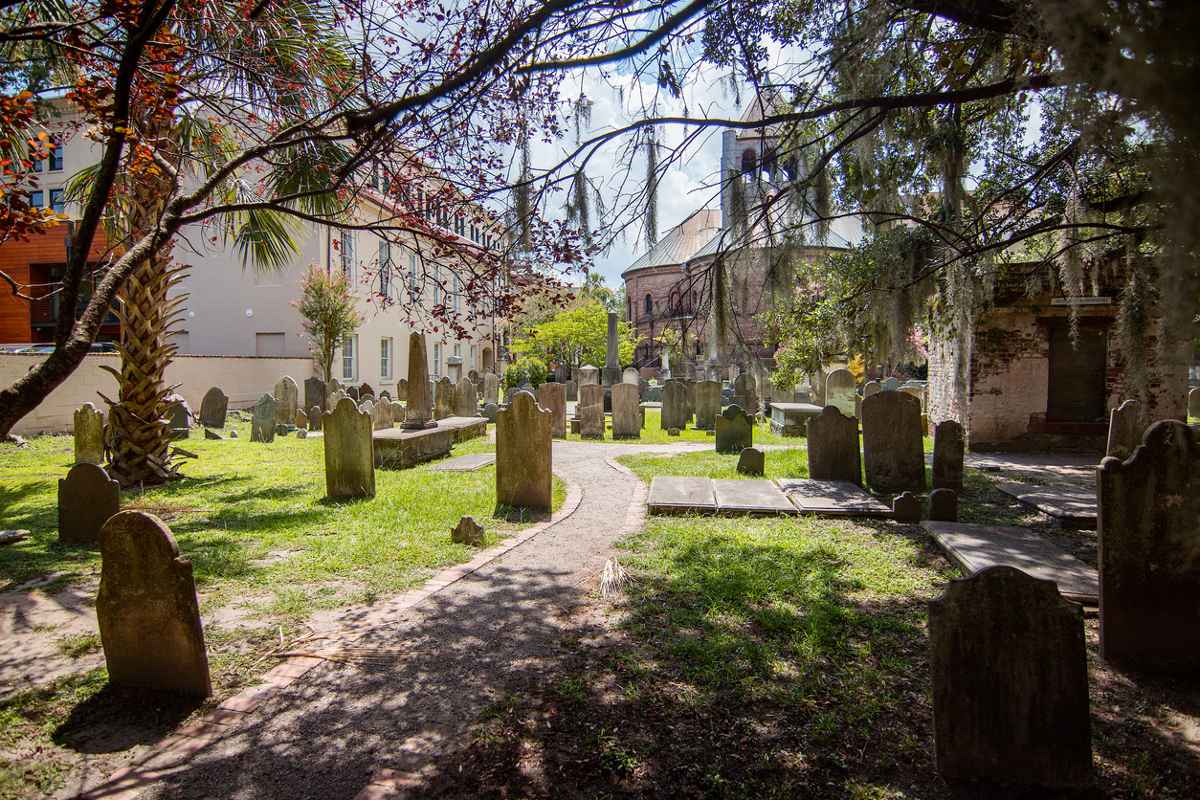
In the 18th century burials took place on private family property, near a meeting house, or in a church graveyard.
The majority of markers were still crafted from stone; however, they were more ornate and decorative. From crossbones and winged skulls, to flowers and angels, many symbolic reminders of death were etched into the stone.
In many graveyards both headstones and footstones were situated atop burial plots to prevent accidental exhumation and overcrowding.
Kerb sets that formed borders around the perimeter of the burial plot were also prevalent during this era. These stone boundaries kept visitors from walking on graves, which was believed to bring bad luck and hardship.
19th Century

As public cemeteries started to emerge in the 1800s, grave markers began to take on more meaning and started to be viewed as a way to memorialize a person’s life.
Stone markers remained prominent but were now etched with symbols that signified specific aspects of the deceased’s life such as their occupation, social class, spiritual, and religious beliefs, just to name a few.
Families who had the financial means to do so would covet large, elaborate monuments to represent the gravity of their loss and the severity of their grief.
White marble markers became popular during the Civil War when the United States government began furnishing them for fallen soldiers.
A few short years later granite surfaced and quickly became a preferred material in the production of grave memorials. This shift was attributed to its superior strength and its ability to withstand the elements.
20th Century to Present
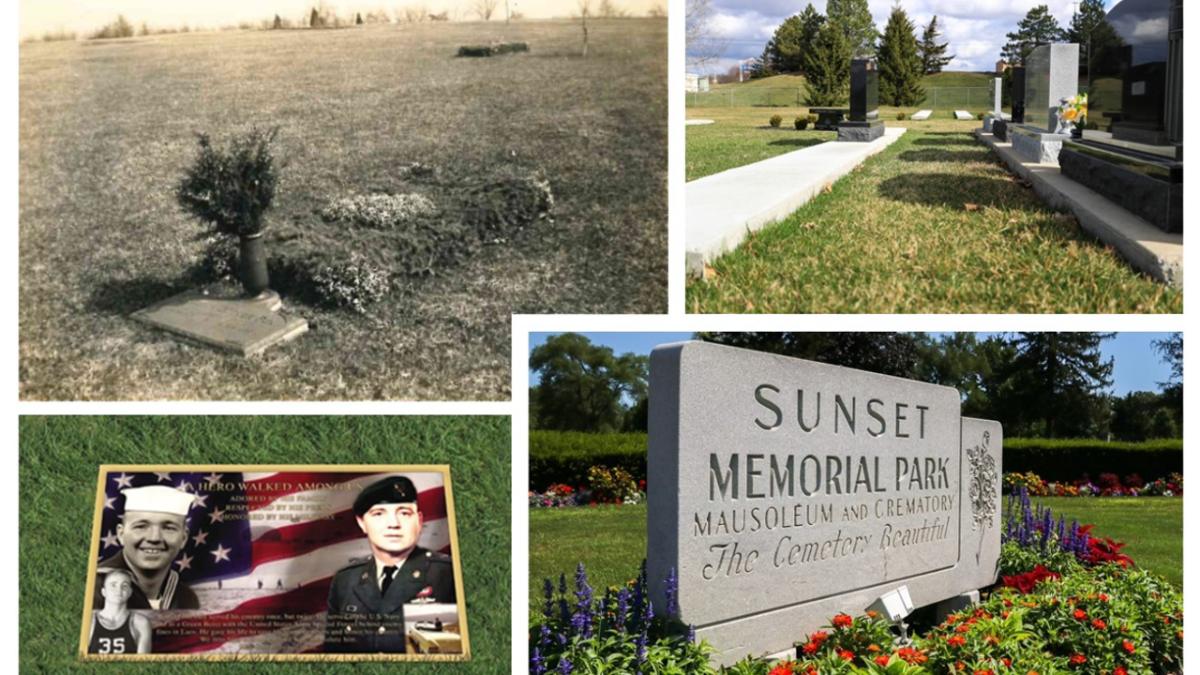
Hundreds of new cemeteries were developed in the early 20th century, many of which were designed to look more like serene parks and less like traditional burial grounds with upright granite monuments.
This new memorial park concept paved the way for flush bronze markers being introduced to the marketplace.
The first generation of bronze memorials were very basic, consisting only of text. But as the years progressed, memorial designers learned how to sand cast borders and emblems on the surface.
By the middle of the 20th century, families were yearning for a way to customize and make their loved one’s memorial a one-of-kind tribute.
As a result, manufacturers began using bas relief to add sculptured waxed images to markers.
This age-old process has since been replaced by computer software and computerized machining centers that can print full-color pictures, custom backdrops, and photo collages on bronze surfaces.
Granite headstones are also still very popular today, as they are strong, economical, and can resist harsh weather. They also take well to laser etching and do not scratch or fade, making them forever legible.
Final Thoughts
Through all of the changes in design and material, headstones have remained a constant presence in the United States.
They serve as a reminder of our history and of those who came before us, and they provide comfort to families and loved ones who are grieving the loss of someone special.
Whether simple or ornate, modern or traditional, headstones will continue to play an important role in preserving our history and honoring our loved ones.

Jill Darby
Jill is a member of the Marketing Team and copywriter for Trigard Memorials and all affiliated Greenwood Inc. companies. She grew up in the funeral industry, as her family owned funeral homes in the Midwest. After graduating from Miami University, Ohio in 2003 with a Bachelor’s degree in Business, Jill worked in sales and customer relations for a global funeral product manufacturer. Her experience also includes merchandising, cemetery operations, and aftercare. Jill and her husband, Rich enjoy spending time with family, traveling, watching college basketball, and spoiling their 5 grandchildren.
Leave a Reply

Wednesday, January 28, 2026

Thursday, November 6, 2025

Friday, October 31, 2025
Share this post!
Facebook Share Twitter Share Pinterest Share LinkedIn Share